
Tragic firing at BSF camp in Malda leaves 2 jawans dead, 1 critically injured
.gif)

Download Mobile App 






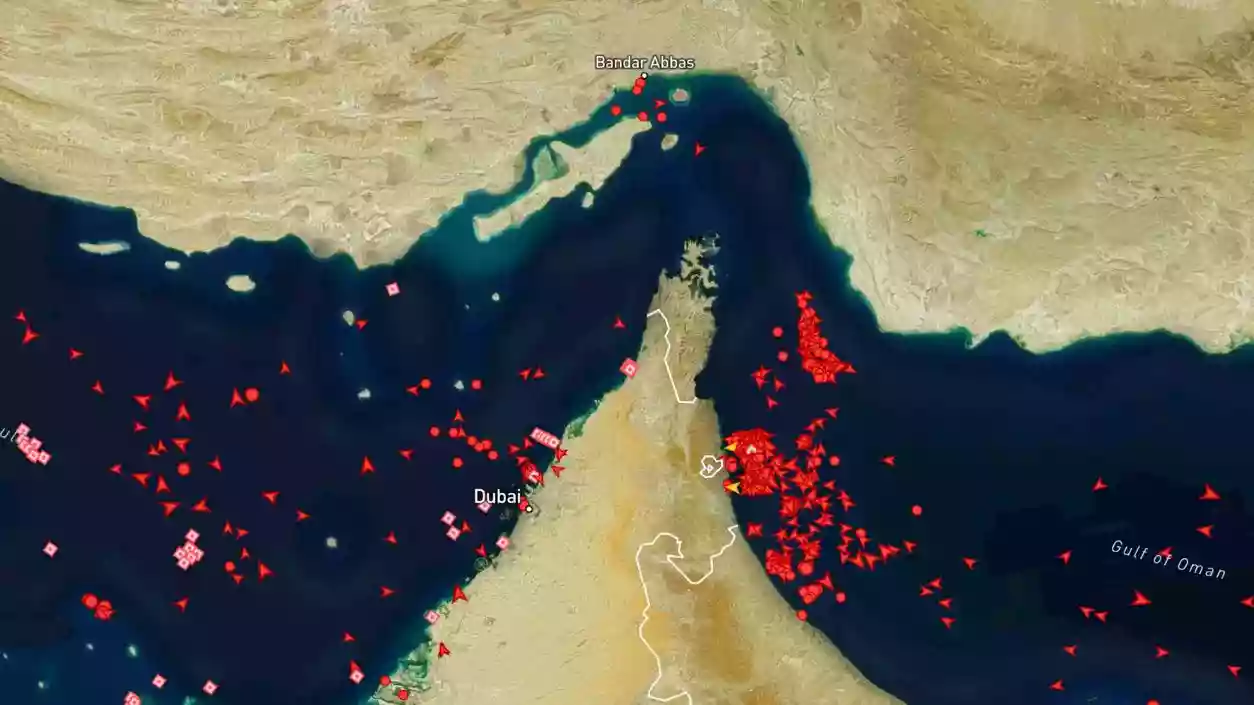
The Indian government is exploring ways to escort Indian-flagged vessels through the crisis-hit Strait of Hormuz, where rising tensions between the US-Israel alliance and Iran have disrupted maritime traffic along one of the world’s most vital oil routes. Officials said all 36 Indian-flagged ships in and around the strait currently remain safe, with sufficient provisions, though none have been able to transit the area so far.
Deputy Director General PC Meena, who heads the core response team at the Directorate General of Shipping, confirmed that “discussions are on at the highest level on various options to help them navigate out of the region safely including the option to escort India-flagged assets out of the area. Nothing has been finalised so far.” Enhanced safety protocols are in place for all vessels, including more frequent reporting to authorities.
The mandatory protocols cover not only the Strait of Hormuz but also the Gulf of Oman, Persian Gulf, and adjoining waters. Indian ships must conduct ship-shore security drills, simulate piracy and bomb threats, and maintain daily online reporting to the Information Fusion Centre-Indian Ocean Region. These measures aim to maintain a comprehensive vessel database, which would aid coordination if the Indian Navy is required to respond.
Officials stressed that there have been no confirmed attacks, detentions, or boardings involving Indian-flagged vessels. Continuous monitoring, verification, and reporting every three hours on ship location, condition, and crew safety remain central to government efforts to safeguard maritime assets amid escalating regional hostilities.
If any Indian merchant ship faces threats, captains are instructed to contact the nearest Indian Navy vessel or coalition warship using VHF Channel 16. The government’s proactive measures and contingency planning are intended to ensure safe passage of Indian ships through this geopolitically sensitive corridor and prevent disruption to global crude supply.










 West Bengal
 Bihar
Bihar Uttar Pradesh
 Jharkhand